

Service apps increasingly borrow mechanics from video games to drive engagement. Points, badges, levels, leaderboards – elements gamers recognize – now appear in apps for food delivery, fitness tracking, and various service platforms. This gamification taps into psychological motivations making apps stickier and users more active. Someone researching app engagement might study gaming mechanics, analyze behavioral psychology, and examine various apps from Duolingo to service directories like escort New York that implement rating systems, verification badges, and reputation mechanics borrowed from gaming. This research reveals that effective gamification isn’t about adding points to existing features but designing systems that motivate continued engagement through psychological principles making games compelling. Examining gamification in service apps shows how game design thinking transforms user experiences beyond entertainment into practical tools driving real-world behaviors and platform success.
Why Game Mechanics Work Outside Gaming
Games motivate sustained engagement through mechanics triggering psychological responses – desire for achievement, competitive drive, and satisfaction from visible progress. These motivations aren’t specific to gaming but fundamental human psychology that service apps harness by implementing similar systems.
Games don’t motivate through fun alone but through feedback loops: complete task, receive reward, feel progress, unlock capabilities. This cycle creates engagement independent of whether the activity involves gaming or ordering food. Service apps implementing these loops make mundane activities engaging by adding structure and rewards satisfying psychological needs beyond core service.
Points and Rewards Creating Behavioral Incentives
Points represent basic gamification – assigning numerical value to user actions creating tangible progress. Service apps award points for completing profiles, making purchases, leaving reviews, or referring friends. Points might unlock rewards, confer status, or provide accumulation satisfaction.
Effective points systems balance generosity with scarcity. Too easy and they’re meaningless. Too difficult and users lose motivation. Best implementations create multiple earning opportunities at different difficulty levels, ensuring regular small wins while making larger achievements meaningful.
Badge Systems Driving Completionist Behavior
Badges tap into completionist psychology – the desire to collect everything. Apps award badges for specific actions: “Made 10 purchases,” “Left 50 reviews,” “Active 1 year.” These digital trophies provide no functional benefit but trigger powerful psychological responses.
Service platforms use badges to encourage desired behaviors, create visible status markers, provide engagement goals, and segment users into tiers. Badge visibility matters significantly. Private achievements create personal satisfaction. Public badges enable status competition. Platforms balancing both create engagement from users motivated differently.
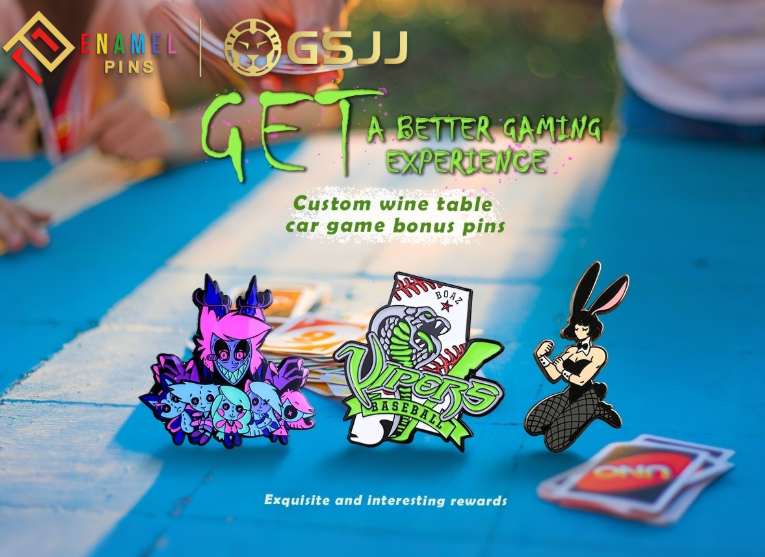
To further engage users, the platform need not be content with merely offering achievement-based incentives within the virtual realm; instead, it can extend these incentives into the physical world by custom pins—a strategy that yields numerous benefits.
Custom pins can be uniquely tailored for each user who attains a specific achievement or meets particular criteria, reflecting their individual preferences, interests, and distinct experiences on the platform. Motivated by such exclusive physical rewards, users become more inclined to participate deeply in the platform’s various activities. This serves as a sustained and powerful incentive, maintaining high levels of user activity and engagement while fostering the platform’s long-term, stable growth.
Level Systems and Status Hierarchies
Level systems create user hierarchy based on engagement. New users start at basic levels with limited privileges. Active participation earns experience advancing through levels unlocking features, visibility, or premium privileges. This progression creates engagement incentive and status differentiation.
Fitness apps use levels marking beginner to advanced progress. Food delivery platforms create VIP tiers for frequent customers. Service marketplaces award verification levels based on transaction history. These systems don’t just recognize engagement – they create aspirational targets motivating increased activity.
Leaderboards and Social Competition
Leaderboards introduce competitive elements by publicly ranking users based on points earned, reviews written, or services provided. Social comparison motivates competitive users while creating community. However, leaderboards require careful design avoiding demotivation when gaps become insurmountable.
Effective implementations include:
- Global rankings for competitive users
- Friend-only comparisons for social motivation
- Time-bound competitions allowing regular resets
- Tier-based leagues ensuring similar-level competition
These variations prevent dominant users from discouraging others while maintaining competitive tension.

Streak Systems Creating Habit Formation
Streak mechanics reward consecutive daily engagement, making users reluctant to break activity chains. Duolingo uses streaks to maintain daily language practice. Fitness apps track workout streaks. Service platforms implement visit or purchase frequency tracking creating usage habits.
Streaks work through loss aversion – losing a 100-day streak hurts more than starting fresh feels good. This creates powerful engagement as users return daily, maintaining streaks even without immediate need. However, strict streaks risk burnout. Better implementations offer streak freezes or recovery options acknowledging sustained daily engagement isn’t always realistic.
Progress Bars and Visual Feedback
Progress visualization satisfies desire for visible goal advancement. Profile completion meters encourage adding information. Review count progress bars motivate reaching milestones. Transaction trackers show advancement toward rewards. Visual representations make abstract engagement concrete.
Progress bars tap into the Zeigarnik effect – incomplete tasks create psychological tension motivating completion. A profile showing 80% completion creates desire to finish remaining 20%. Apps strategically break large goals into visible incremental steps, each completion providing satisfaction while revealing the next target.
Challenges and Limited-Time Events
Time-limited challenges create urgency driving engagement spikes. Apps introduce special events with exclusive rewards available only during specific periods. This FOMO motivates participation from otherwise passive users. Challenges also provide fresh goals preventing stagnation for users completing regular progression.
Service apps implement challenges through limited-time promotions, seasonal events, flash sales with participation requirements, or community goals requiring collective action. These mechanics borrowed from live-service games create activity peaks while giving marketing teams engagement tools around specific initiatives.
The Dark Side: When Gamification Becomes Manipulation
Gamification can cross ethical lines into manipulation when mechanics prioritize engagement over user welfare. Streak systems create anxiety. Achievement systems encourage unnecessary spending. Competitive elements creating unhealthy comparison. Techniques effectively driving engagement can become exploitative when platforms prioritize metrics over wellbeing.
Responsible gamification requires considering whether mechanics serve user interests or purely extract engagement for platform benefit. Features helping users reach personal goals represent positive gamification. Those creating compulsive behaviors represent manipulation. The distinction matters for both ethics and long-term sustainability as users increasingly recognize exploitative tactics.
Implementing Gamification Without Annoying Users
Poor implementation feels forced and irritating. Excessive notifications about points or badges interrupt experience. Mandatory gamification frustrates users wanting straightforward service access. Best implementations make gamification optional and natural rather than intrusive.
Keys to non-annoying gamification include making systems opt-in, keeping notifications minimal, ensuring core service works without engaging gamification, and providing clear value beyond arbitrary points. Users should feel gamification enhances experience rather than being an obstacle to service access.

Conclusion: Game Design as Engagement Tool
Gamification demonstrates that game design principles apply beyond entertainment to any context requiring sustained engagement. Points, badges, levels, and competition create psychological motivation maintaining activity and building loyalty. However, effectiveness depends on thoughtful implementation respecting user autonomy while creating genuine value. As service apps continue adopting gaming mechanics, platforms that succeed long-term will use gamification to align user goals with platform objectives rather than exploiting psychological vulnerabilities. The future involves not just borrowing game mechanics but understanding psychology behind why they work and applying insights ethically to create experiences genuinely improving user lives while achieving business objectives.