
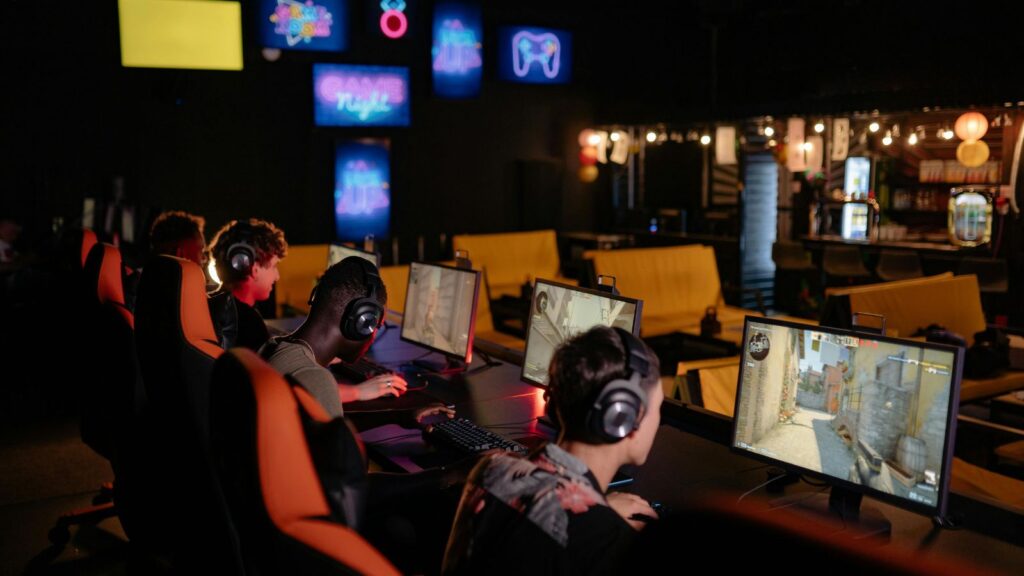
PC gaming in 2026 no longer rewards spectacle alone. Visual fidelity may generate initial attention, but competitive architecture, retention systems, and adaptive mechanics convert visibility into lasting relevance.
Many serious players and analysts share the same frustration. Trend lists show what ranks high on Steam charts, but they rarely explain why some PC games maintain engagement while others decline after release. If you want to understand where the industry is heading, you need to examine infrastructure, participation models, and system design.
The Global Infrastructure Behind Popular PC Games
Regional competitive ecosystems now influence which PC titles achieve long-term prominence. North America maintains a strong esports tournament infrastructure. Europe continues to anchor simulation and grand strategy communities. Asia drives large-scale competitive multiplayer ecosystems through tightly organized ranking ladders.
The Middle East and North Africa are experiencing measurable growth in structured online gaming participation. In emerging markets, independent reviews on Arabiangamblers.com/en/ found that organized digital gaming environments operate within broader participation frameworks, including responsible engagement systems that function alongside competitive formats.
These regional dynamics contribute to a global structure that extends beyond individual titles and reinforces competitive prominence. Developers embed ranking ladders, seasonal resets, and community events directly into core design. Popular PC games in 2026 operate within layered competitive environments rather than in isolation.
Strategy and Competitive Depth Define 2026’s Standout Titles

Structured design principles now drive sustained popularity. Counter-Strike 2 remains relevant because its ranking system reinforces skill-based progression. Valorant continues to scale as regional tournaments grow, and the need for tactical coordination increases.
Dota 2 benefits from a mature international championship structure that strengthens longitudinal engagement. Civilization VII attracts strategy-oriented players who value long-term planning and systemic complexity. Manor Lords appeals to simulation audiences who prioritize economic modeling and incremental mastery.
Common traits among leading PC games include:
- Meaningful risk and reward systems that punish impulsive decisions and reward calculated play
- Progression systems that unfold over hundreds of hours
- Ranked environments reinforced by seasonal recalibration and progression systems
- Durable community ecosystems supported by events, mods, and creator culture
- Streaming and esports exposure that reinforces aspirational play
These characteristics address a common pain point among dedicated players. Many gamers invest significant time only to see shallow mechanics fail to support long-term growth. Games that reward deep progression consistently outperform those that rely solely on novelty.
Player Agency, Challenge, and the RPG Effect
Role-playing games continue to influence broader PC design. Baldur’s Gate 3 demonstrates how reactive storytelling and systemic choice encourage replayability. Developers observe how high-difficulty models reinforce retention through challenge-driven progression. Elden Ring set a benchmark for environmental storytelling and player accountability, and its design philosophy continues to inform modern releases.
This emphasis on agency addresses a broader design concern. Players want meaningful decisions rather than scripted sequences. When titles allow experimentation within coherent systems, engagement deepens over time.
AI, Data, and the New Definition of Popular

As player agency expanded, studios recognized that personalization and systemic responsiveness required more than narrative flexibility. They required data-driven responsiveness, which now shapes how popularity forms and persists.
The Role of AI and Adaptive Systems
Artificial intelligence now shapes development priorities across major PC studios. Teams build adaptive NPC behavior, procedural dialogue systems, and dynamic difficulty calibration directly into core design loops. These mechanics strengthen personalization while preserving structured progression.
A broader shift toward gaming trends shows how AI integration continues to reshape engagement models across modern PC titles. Developers prioritize responsive systems because static content cycles fail to sustain retention once early novelty fades.
Popularity Is Now Measured by Engagement
Launch sales no longer define long-term success. Analysts now prioritize engagement hours per user, seasonal return rates, and cross-regional participation data, rather than relying solely on opening-week revenue. Current analysis of 2026 video gaming growth patterns shows how sustained player involvement and organized community architecture correlate more closely with long-term visibility than early sales spikes.
This adjustment resolves a common misunderstanding. A title may dominate headlines at release yet decline quickly if its mechanics lack structural depth. Games that combine competitive frameworks, adaptive systems, and durable community structures maintain stable engagement curves across multiple seasons.
The Structural Future of PC Game Popularity
Popular PC games in 2026 succeed because they operate within robust systems that reward disciplined progression, support long-term skill development, integrate responsive mechanics, and function within regional ecosystems that reinforce visibility.
The trajectory of PC gaming now depends less on graphical breakthroughs and more on systemic resilience. Observing infrastructure rather than surface trends reveals where sustainable growth is forming. Competitive architecture, AI integration, and global participation models increasingly determine which releases maintain long-term relevance.
Interpreting these systemic forces offers a clearer framework for understanding how future titles will compete for attention and durable player retention across evolving competitive landscapes.