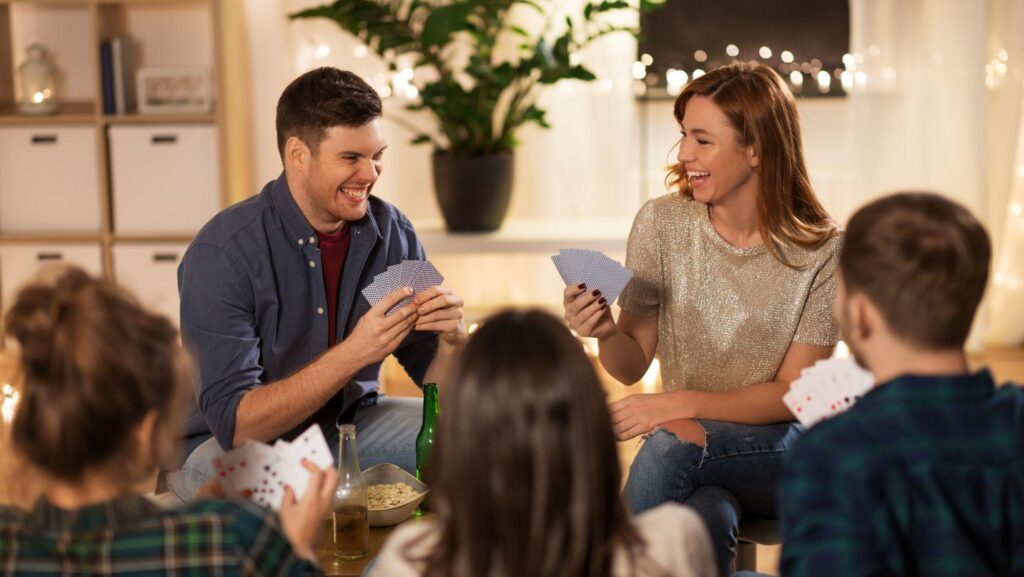
You sit down for a short gaming session with friends. A match finishes, somebody starts another and the evening extends without much discussion. Somewhere between rounds, getting another drink becomes part of the same routine as checking messages or adjusting your headset.
For adults who want to drink less, a gaming night offers several practical decisions to look at. How long are you planning to play? Where are the drinks? What happens during breaks? None of those questions requires giving up the hobby or turning a relaxed evening into a productivity challenge.
The aim is to make choices before the session absorbs your attention. An enjoyable night can still include favorite games and familiar teammates. It simply needs a plan that does not leave every decision about drinking until you are already focused on something else. Start with the arrangements you control, including your own setup and the time you intend to finish.
Tell the Group How Much Time You Have
“I’ll be on for a while” leaves the end of the evening open. A specific window gives friends more useful information, especially if the game requires a team to commit for a long session. Tell them when you will join and when you expect to leave.
Choose the last match with that finishing time in mind. Starting a lengthy game five minutes before your planned departure creates an avoidable conflict between keeping your promise and leaving teammates halfway through. Build room for the type of game you are playing.
If plans change, make a deliberate decision about the extra time. You do not have to treat every invitation to continue as a command. “That was my last one tonight” is enough, and saying it before the final round makes the departure less surprising.
Set Up the Drink You Intended to Have
Choose refreshments before logging in. If you are having an alcohol-free evening, put the drinks you want within reach and store the alternatives elsewhere. The arrangement should make your intended choice convenient when a short break arrives.
Use a setup that suits the desk or sofa. Keep drinks away from equipment, and avoid crowding your space with containers you no longer need. If you are hosting friends in person, label shared drinks clearly so nobody has to guess what is in a pitcher.
You do not need a specialist beverage to make the evening work. Choose something you like and can afford. An elaborate drink recipe can be enjoyable, but it should not become a requirement that makes your plan harder to follow on an ordinary weeknight.
Give Breaks a Purpose Beyond Refilling
A break is a useful moment to leave the chair and decide what you want next. You might get food, stretch comfortably or step away from the conversation for a few minutes. The point is to avoid treating a refill as the only available activity between rounds.
Pick natural breaks that fit the game rather than interrupting teammates during play. Let the group know you need a few minutes before queuing again. When everyone knows the arrangement, the break becomes easier to take without repeated negotiation.
Notice what tends to happen in that gap. Are you getting a drink because you want one, because it is already beside you or because you always go to the kitchen after a loss? These are questions about your own routine, not explanations that must apply to everyone who plays.
Record the Plan Before the Session
If you want to review drinking during gaming nights, begin with a short statement of your intention. Include when you expect to finish and what you plan to drink. A note made beforehand gives you something concrete to compare with the evening afterward.
UM’s planning and drink-tracking tools are one option for recording intentions and reviewing drinking behavior. A notebook can also work. Pick the method you are willing to use, and keep personal information private rather than posting it to a gaming group for accountability you did not ask for.
Keep the review brief. Write down what happened and any part of the plan that was difficult to follow. You are looking for an arrangement you can improve, such as preparing food earlier or choosing a shorter session when you have an early start.
Keep Your Drinking Decision Separate From the Score
A frustrating game does not require a new drinking decision. Neither does a win. Before the session, decide how you would like to handle those moments so the result of the match does not become the only reason to refill your glass.
If the group normally celebrates with a round, suggest something that lets everyone take part without drinking alcohol. Save a clip, share the match result or take a short break before the next game. The celebration can belong to the group while individual drink choices remain personal.
You may still find an evening harder than expected. That is useful information about the situation, not a reason to erase the plan. Review the circumstances later when you have attention to spare, rather than arguing with yourself while another match is loading.
For an in-person session, talk about shared purchases before somebody arrives with drinks for everyone. Offer to bring your own choice or contribute food instead. This keeps a personal decision from becoming a last-minute discussion about splitting costs, and gives the host a clearer idea of what to prepare.
Choose Support That Fits the Bigger Pattern
Gaming may be one setting among several where you want to change a drinking routine. If the same difficulties appear at home, at social events and after work, consider the wider pattern rather than making the game responsible for everything.
Structured support for alcohol moderation can provide a way to organize personal goals and reflection. Check what a program offers and whether it matches your needs. Digital habit support should not be mistaken for medical treatment or a guarantee that moderation is appropriate for everyone.
After prolonged heavy drinking, stopping suddenly can cause dangerous withdrawal. Seek medical help to plan a safe change, as NIAAA advises.
Before your next session, make one concrete adjustment and tell teammates anything that affects them, such as your finishing time. Prepare your drink, settle into the game and keep the plan simple enough to use. A good gaming night should leave room for the decisions you made before it began.