

The evolution of digital slot architecture has moved far beyond the mechanical limitations of physical reels. Today, the industry is defined by “Scatter Pays” engines and cascading physics that prioritize long-sequence engagement over single-spin results. At the forefront of this shift is the “1000” series, a specialized category of game math that takes established fan favorites and recalibrates their volatility for a higher-risk, higher-reward profile. By analyzing the engineering behind these titles, developers and enthusiasts can better understand how visual feedback loops and mathematical variance work in tandem to define the modern gaming experience.
The Mechanics of the Scatter Pays Engine
Traditional slot design relies on fixed paylines, where symbols must align in specific linear patterns to trigger a payout. In contrast, the modern 6×5 grid utilizes a Scatter Pays system, meaning that as long as a specific number of matching symbols—typically eight or more—appear anywhere on the screen, a win is triggered. This removal of directional constraints allows for much more fluid and unpredictable gameplay.
The most critical component of this architecture is the “Tumble” or “Avalanche” feature. When a winning cluster is identified, those symbols are removed from the grid, allowing new symbols to drop from above to fill the empty positions. This can create a chain reaction of wins within a single betting round. For instance, players exploring the sweet bonanza casino experience are engaging with a supercharged version of this mechanic.
Managing Statistical Variance and High-Volatility Curves
In game design, volatility (or variance) describes the frequency and size of payouts. A low-volatility game pays out small amounts frequently, while a high-volatility game, like those in the Pragmatic Play 1000 series, features longer “dry spells” punctuated by massive, explosive wins. Engineering this balance requires rigorous RNG (Random Number Generator) certification to ensure that despite the high swings, the game remains mathematically fair over millions of simulated spins.
The “Rainbow Bomb” multiplier is the primary tool used to drive this variance. During free spin rounds, these multipliers land on the grid and remain active until the end of a tumbling sequence. When multiple bombs land, their values are summed before being applied to the total win of that sequence. This creates a geometric progression of potential value that is mathematically distinct from the linear growth found in standard slot titles.
UI/UX Optimization for Mobile and Cross-Platform Play
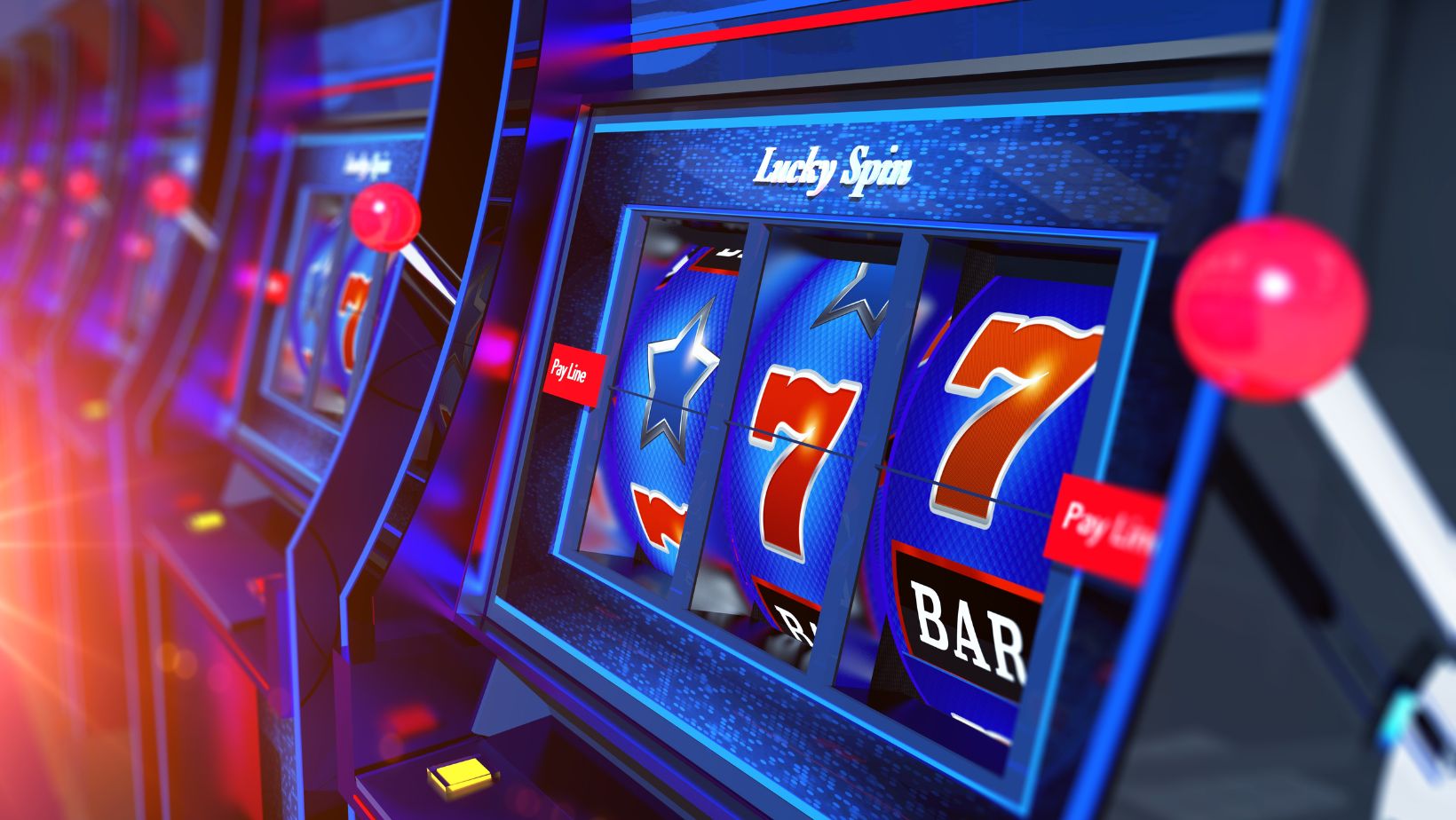
As the primary demographic for digital gaming shifts toward mobile-first users, the UI/UX design for interactive games must be exceptionally responsive. A 6×5 grid filled with vibrant, high-definition assets requires significant optimization to ensure smooth frame rates on handheld devices. Developers utilize vector-based assets and dynamic resolution scaling to ensure that the “sugar-coated” visual aesthetic—featuring lollipops, fruits, and candy-themed backgrounds—remains crisp without causing excessive battery drain or thermal throttling on smartphones.
Furthermore, the integration of features like “Ante Bet” and “Bonus Buy” (where available) allows users to manually influence the volatility of their session. By paying a premium, players can increase the frequency of scatter symbols on the reels, effectively narrowing the variance curve and tailoring the technical experience to their specific risk tolerance.
The success of the 1000 series proves that modern audiences are moving away from simple, low-stakes mechanics in favor of complex, mathematically dense experiences. By combining sophisticated scatter pays engines with high-ceiling multiplier bombs, developers are setting a new standard for what is possible in the world of high-volatility digital entertainment.